Warren Glowatski: Who He Was, the Reena Virk Case, and Where He Is Now
Warren Glowatski remains closely associated with one of the most widely discussed youth murder cases in Canada. As a teenager in British Columbia, he became involved in the 1997 killing of 14-year-old Reena Virk, a case that later received renewed public attention through Rebecca Godfrey’s book Under the Bridge and the television adaptation.
People often search for Warren Glowatski alongside phrases such as “Warren Glowatski today,” “where is Warren Glowatski now,” and “Warren Glowatski real life.” Interest largely comes from the unusual path of his case: a teenage offender convicted of second-degree murder who later participated in restorative-justice work and eventually received full parole.
His story matters separately from its dramatized television portrayal. The real case involved criminal proceedings, testimony, imprisonment, parole, and a later restorative-justice process that became an important part of the public discussion surrounding the murder.
Who Was Warren Glowatski?
Warren Paul Glowatski was a teenager living in the Victoria-area community of Saanich, British Columbia, when Reena Virk was murdered. He was 16 at the time of the killing and was subsequently tried as an adult.
The case dramatically changed the direction of his life. Instead of continuing into an ordinary adult future, Glowatski spent many years in custody after being convicted of second-degree murder. As a result, his name became permanently connected to the Reena Virk case.
Glowatski’s legal story was also closely connected to Kelly Ellard. Both became central figures in the prosecution surrounding Virk’s death, although the legal histories of the two defendants eventually took different paths.
What Happened in the Reena Virk Case?
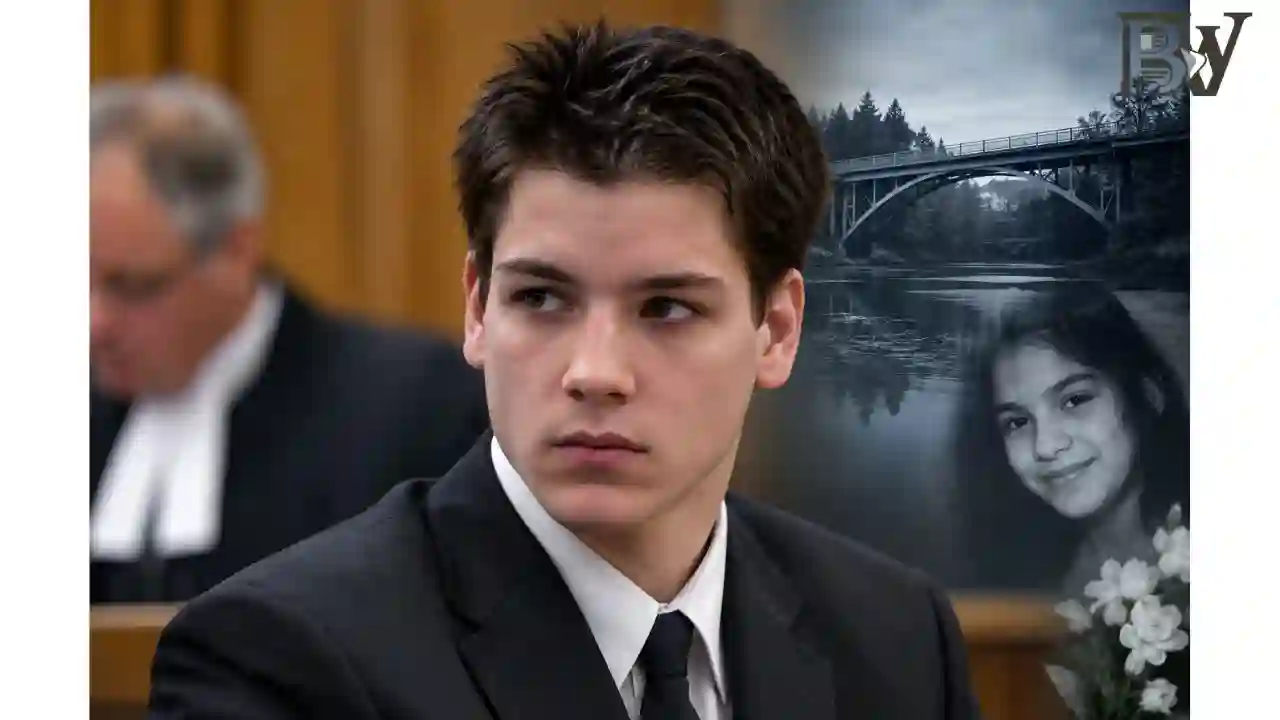
The Reena Virk case began on the night of November 14, 1997. Virk was a 14-year-old girl from British Columbia who was attacked by a group of teenagers near the Craigflower Bridge in Saanich.
The initial assault involved several young people. After the first attack, Virk attempted to leave the area. Glowatski and Ellard became associated with the later events that ultimately resulted in Virk’s death.
Virk was ultimately drowned in the Gorge Waterway. Her death shocked Canada because of the victim’s young age, the number of teenagers involved, and the extreme violence surrounding the incident.
The case also generated years of discussion about bullying, peer pressure, youth violence, criminal responsibility, and how society should respond when serious crimes are committed by teenagers.
Warren Glowatski’s Role in Reena Virk’s Murder
Glowatski’s role in the murder has to be considered in the context of the criminal proceedings and evidence presented during the case.
He was one of the two central defendants in the prosecution and was eventually convicted of second-degree murder. His testimony later became significant in the legal proceedings involving Kelly Ellard.
The circumstances surrounding the final moments of Virk’s life were a major focus of the prosecution. The case examined what happened after the initial group assault, including the events that followed as Virk tried to leave the area.
Because different documentaries, books, and television productions present the story from different perspectives, it is important to distinguish established court findings from dramatized scenes and later interpretations.
Warren Glowatski’s Arrest, Trial, and Conviction
Glowatski was prosecuted as an adult despite being a teenager when the murder occurred. In June 1999, he was convicted of second-degree murder and received a life sentence with parole eligibility after seven years.
His conviction did not immediately bring an end to the legal story. The case continued through appeals and further proceedings connected to other defendants.
Glowatski’s testimony later became important in the prosecution involving Kelly Ellard. This helped make his legal history even more closely connected with the broader Virk case.
His conviction also became part of larger Canadian discussions about how the justice system should handle serious crimes committed by young offenders and how rehabilitation should be considered alongside punishment.
Warren Glowatski and Kelly Ellard
The names Kelly Ellard and Warren Glowatski remain strongly connected whenever the Reena Virk case is discussed.
Both were teenagers involved in the events surrounding Virk’s death, but their subsequent legal experiences were different. Glowatski was convicted in 1999, while Ellard’s legal proceedings continued through multiple trials and appeals.
Glowatski later became a witness during proceedings involving Ellard. His testimony provided the prosecution with an account of events surrounding the attack and contributed to the continuing legal significance of his involvement in the case.
Because of this history, searches for kelly ellard reena virk often lead to discussions that also involve Glowatski and the wider circumstances surrounding the murder.
Restorative Justice and the Virk Family
One of the most remarkable parts of Warren Glowatski real life after his conviction was his involvement in restorative justice.
While in prison, Glowatski participated in a restorative-justice process that brought him into contact with Reena’s parents, Suman and Manjit Virk. Such meetings gave the family an opportunity to hear directly from the person responsible for their daughter’s death and provided Glowatski with an opportunity to confront the consequences of his actions.
Glowatski expressed remorse and apologized to the Virk family. Over time, the relationship developed into one of the most unusual aspects of the case.
The Virks eventually forgave Glowatski. That forgiveness did not erase the crime or diminish Reena’s death. Instead, it represented a highly personal decision within a long process of grief, accountability, and healing.
The restorative-justice aspect later received significant attention because it raised difficult questions about whether meaningful accountability and forgiveness can coexist after a devastating crime.
When Was Warren Glowatski Released?
Glowatski eventually became eligible for parole after serving part of his life sentence.
He spent time under day parole before receiving full parole in June 2010. At that point, he had spent many years dealing with the consequences of the crime and his conviction.
His release attracted public attention because of the seriousness of the murder. However, his rehabilitation and the restorative-justice process had also become important elements in discussions about his future.
Full parole marked a major transition from incarceration toward reintegration into society.
Warren Glowatski Today: Where Is He Now?
People searching “where is Warren Glowatski now” or “Warren Glowatski now” are generally interested in what happened to him after his release from prison.
Publicly available reporting has described Glowatski as focusing on rehabilitation and reintegration following his release. His later story has been associated with accountability, remorse, restorative justice, and efforts to discuss the consequences of youth violence.
There is considerably less reliable public information about his private day-to-day life. Details concerning his exact residence, employment, relationships, or other personal matters should therefore be approached carefully unless supported by trustworthy evidence.
The better-documented part of his post-prison story concerns his rehabilitation and the way his experience has been connected with discussions about youth crime and the possibility of personal change.
Warren Glowatski and Under the Bridge
Interest in Glowatski increased significantly after the release of Under the Bridge, a television adaptation based on Rebecca Godfrey’s nonfiction account of the Reena Virk case.
The series depicts several real people connected with the events. Warren Glowatski is one of the real individuals represented in the production, while Kelly Ellard is also portrayed.
However, a television drama should not be treated as a complete historical record. Like many true-crime adaptations, Under the Bridge combines documented events with dramatized conversations, reconstructed scenes, and storytelling choices intended for television.
Some people connected to the real case were represented through changed names or fictionalized characters, meaning viewers should distinguish the dramatized narrative from the original criminal case.
Nicole Cook and the Other Teenagers
Another name frequently connected with the case is Nicole Cook Reena Virk.
Cook was one of the teenagers associated with the initial assault on Virk. Her story, along with the stories of other young people involved, demonstrates how a group attack developed into a tragedy with consequences that lasted for decades.
The television adaptation changed or combined certain characters, so not every person appearing in the show should be assumed to represent one real individual exactly.
Understanding these distinctions is particularly important for readers researching the case through entertainment media rather than court records and historical reporting.
Why the Warren Glowatski Story Still Draws Attention
The continuing interest in Glowatski’s story comes from more than the original crime. His case raises complicated questions about youth violence, peer influence, punishment, rehabilitation, remorse, and forgiveness.
The fact that he was only 16 at the time of the murder has also made his case part of a broader debate about juvenile offenders and adult criminal responsibility.
His later participation in restorative justice provides another reason the story remains notable. Few high-profile murder cases include a documented process in which an offender eventually met with the victim’s parents, expressed remorse, and became involved in a dialogue about the consequences of the crime.
The combination of the original murder, his conviction, years in prison, parole, and later rehabilitation has made Glowatski’s story one of the most complex chapters associated with the Virk case.
Frequently Asked Questions About Warren Glowatski
How old was Warren Glowatski when Reena Virk was killed?
Warren Glowatski was 16 years old when Reena Virk was murdered in November 1997.
What was Warren Glowatski convicted of?
Glowatski was convicted of second-degree murder in June 1999 and received a life sentence.
When was Warren Glowatski released?
He eventually received full parole in June 2010 after spending years in custody and previously being placed on day parole.
Is Warren Glowatski a real person in Under the Bridge?
Yes. Warren Glowatski was a real person involved in the Reena Virk case and is portrayed in the television adaptation.
Where is Warren Glowatski now?
Public information indicates that Glowatski has lived outside prison following his full parole. His post-release story has primarily focused on rehabilitation and reintegration, while detailed information about his current private life remains limited.
What happened between Warren Glowatski and Reena Virk’s parents?
Glowatski participated in restorative-justice meetings with Reena’s parents. He expressed remorse and apologized, and the process eventually led to the Virks forgiving him.
Conclusion
Warren Glowatski’s life remains inseparable from the tragic Reena Virk case, but his story did not end with his murder conviction. His years in prison, restorative-justice meetings with Reena’s parents, eventual parole, and portrayal in Under the Bridge have all contributed to continuing public interest.
The documented story is ultimately one of tragedy, accountability, punishment, rehabilitation, and forgiveness. While Glowatski’s later life has attracted curiosity, the central significance of the case remains the loss of Reena Virk and the profound consequences of the violence that ended her young life.