Mary Beard The Classicist Who Made Ancient Rome Relevant Again
Introduction
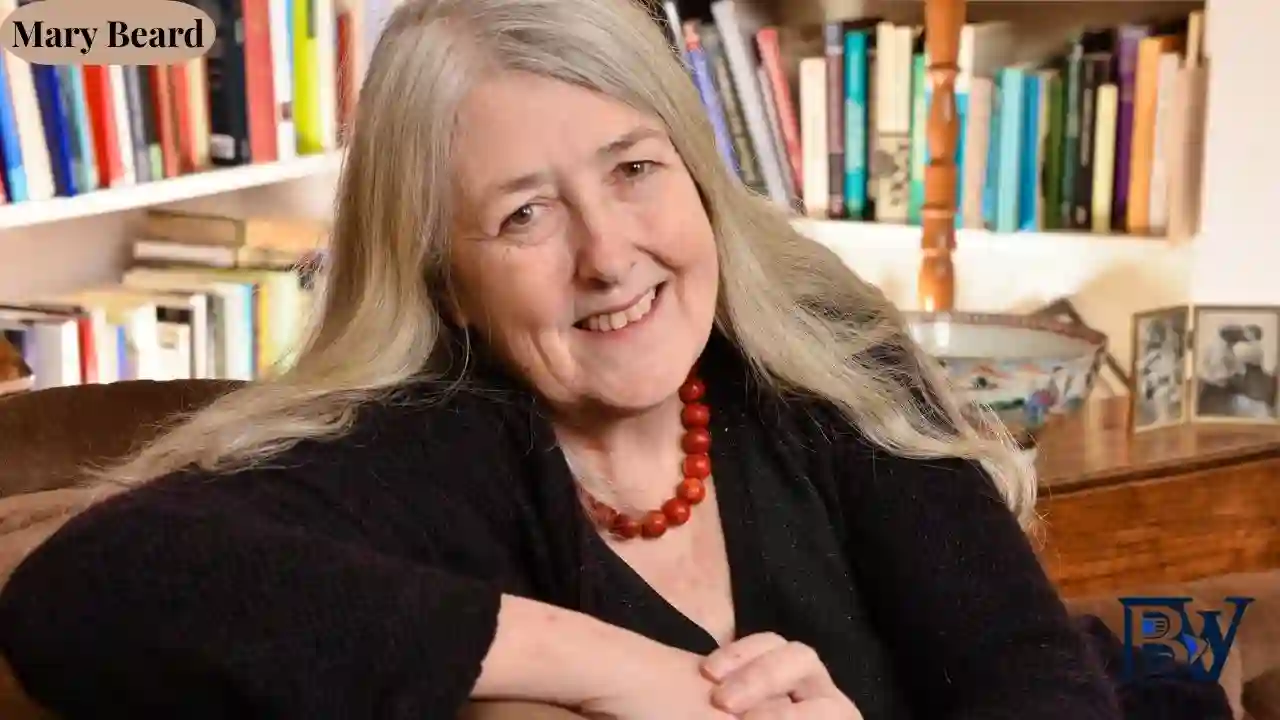
Few university professors ever become household names, but Mary Beard managed to do exactly that. Known for her sharp wit, unapologetic opinions, and rare gift for making ancient history feel urgent and alive, she has spent decades pulling the classical world out of dusty textbooks and into mainstream conversation. Whether she’s untangling myths about the Roman Empire on television or challenging modern assumptions about who gets to speak in public, Mary Beard has become the face of classics for an entire generation of readers and viewers.
This article looks at who she is, the ideas that define her work, and why she continues to matter far beyond the walls of Cambridge University.
Who Is Mary Beard?
Mary Beard is a British classicist, historian, and Professor of Classics at Newnham College, Cambridge, where she has taught and researched ancient Roman history for most of her career. Her academic specialty lies in Roman social and cultural history — how ordinary people lived, worshipped, laughed, and argued in the ancient world, rather than just the exploits of emperors and generals.
Her contributions to scholarship and public life earned her the title of Dame Mary Beard, a recognition of her services to classical scholarship. Beyond the formal accolades, she’s also received international honors such as the Princess of Asturias Award for Social Sciences, cementing her reputation as one of the most influential classicists working today.
Mary Beard: Young Beginnings
Long before she became a household name, Mary Beard young scholar was already showing signs of the curiosity that would define her career. She developed a fascination with archaeology and ancient history early on, eventually studying Classics at Newnham College, Cambridge — the very institution where she would go on to teach. Her early academic path combined rigorous scholarship with a genuine love of storytelling, a mix that later shaped her distinctive voice as both writer and broadcaster.
Major Works and Contributions
Mary Beard books have reshaped how the public understands antiquity. Her writing consistently strips away the marble-statue glamour of ancient history to reveal something messier, funnier, and more human.
SPQR: A History of Ancient Rome
Perhaps her most celebrated work, SPQR Mary Beard wrote as a sweeping account of Rome’s history from its founding myths to the expansion of the empire. Unlike traditional narratives centered purely on battles and politics, Mary Beard SPQR explores how everyday Romans — soldiers, slaves, shopkeepers, and senators alike — shaped the society we still study today. The book became an international bestseller and is often recommended as the definitive modern entry point into Roman history.
Women & Power: A Manifesto
In Mary Beard Women and Power, she traces the silencing of women’s voices in public life back thousands of years, drawing striking parallels between ancient Rome and the modern world. The book became a touchstone in contemporary conversations about gender and authority, proving that classical history isn’t just about the past — it’s a lens for understanding the present.
Other Notable Titles
Her bibliography also includes Pompeii: The Life of a Roman Town, which reconstructs daily life in the doomed city, and The Roman Triumph, an examination of Rome’s most theatrical victory ceremonies. Across her body of work, one theme repeats: Mary Beard’s determination to question long-accepted “facts” and show how much of ancient history is built on assumption rather than certainty.
Public Engagement and Media Presence
What sets Mary Beard apart from many academics is her comfort in front of a camera or microphone. She has fronted numerous BBC documentaries, including Meet the Romans and Ultimate Rome: Empire Without Limit, translating complex historical research into accessible, engaging storytelling for a mass audience.
Mary Beard Podcast Appearances
She’s also a frequent guest across the podcast circuit, and any dedicated Mary Beard podcast listener will recognize her ability to make Latin inscriptions and Roman gossip sound as compelling as breaking news. These conversations often range far beyond ancient history, touching on higher education, feminism, and the role of public intellectuals today.
Mary Beard Tour Events and Public Talks
Beyond television and podcasts, Beard is a regular presence at literary festivals and public lectures. Fans searching for a Mary Beard tour or upcoming talk schedule will typically find her speaking about her latest book, discussing Roman history with journalists, or appearing at university events open to the public. These live appearances have helped build a loyal following that spans well beyond traditional academic circles.
Life Beyond Academia
While her professional achievements dominate headlines, audiences are often equally curious about her personal life.
Mary Beard Husband and Family
Mary Beard is married to Robin Cormack, an art historian and Byzantine studies expert, and the two share a mutual passion for history and academia. Discussions of Mary Beard husband Robin Cormack often highlight how their shared intellectual interests have complemented each other’s careers over the years.
The couple also has Mary Beard children, and she has spoken candidly in interviews and articles about balancing motherhood with the demands of a demanding academic career — a topic she’s addressed with the same honesty she brings to her scholarship.
Why Mary Beard Matters
Mary Beard’s influence extends well past the classroom. She has helped dismantle the idea that classics is an elitist subject reserved for a privileged few, instead positioning ancient history as something relevant to everyone. Her feminist reading of Roman power structures continues to influence broader conversations about gender, authority, and who gets heard in public discourse.
She has also played a significant role in reshaping how the subject is taught, encouraging students and readers alike to question sources critically rather than accept traditional narratives at face value. For many people encountering Roman history for the first time, her books and documentaries serve as the entry point that makes the ancient world feel immediate rather than remote.
A Few Ideas Worth Remembering
Among the recurring ideas found throughout her work:
- Ancient Rome wasn’t a monolithic empire of glory — it was chaotic, contradictory, and built by ordinary people as much as emperors.
- The exclusion of women’s voices from public life has a history stretching back to antiquity, and recognizing that history helps explain modern patterns.
- Much of what people assume about the “decline and fall” of Rome is oversimplified, shaped more by later myth-making than by historical fact.
Conclusion
From her early academic training to her current status as one of the most recognized classicists in the world, Mary Beard has spent her career proving that ancient history has plenty to say about modern life. Through her bestselling books, documentaries, podcast appearances, and public talks, she has opened the classical world to millions of readers who might otherwise have never picked up a book about Rome.
Whether you’re new to her work or already a devoted follower, exploring her books — particularly SPQR and Women & Power — is one of the best ways to understand why she remains such a vital voice in both classics and contemporary culture.